Episode 5
AHMED

Previously in this series:
Episode 2: Christian and Latifa
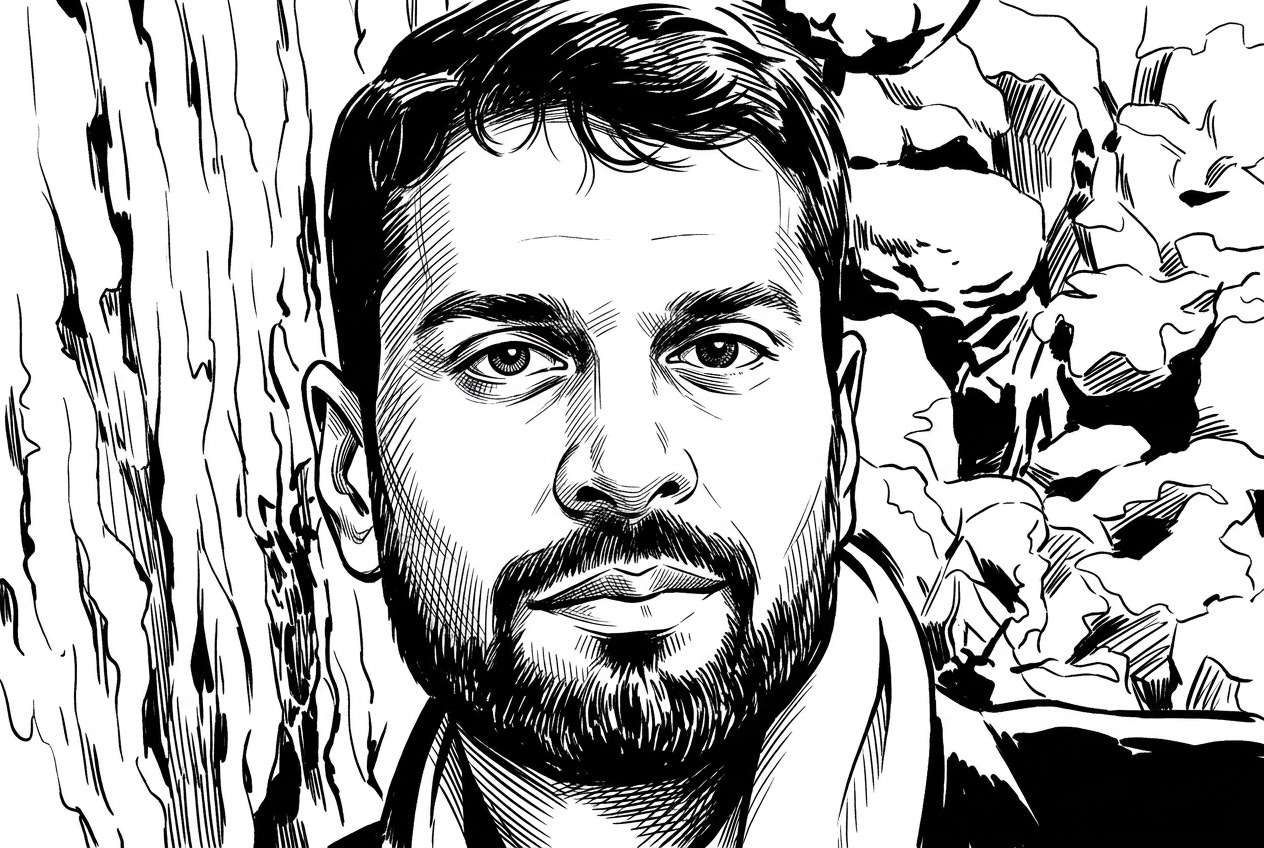
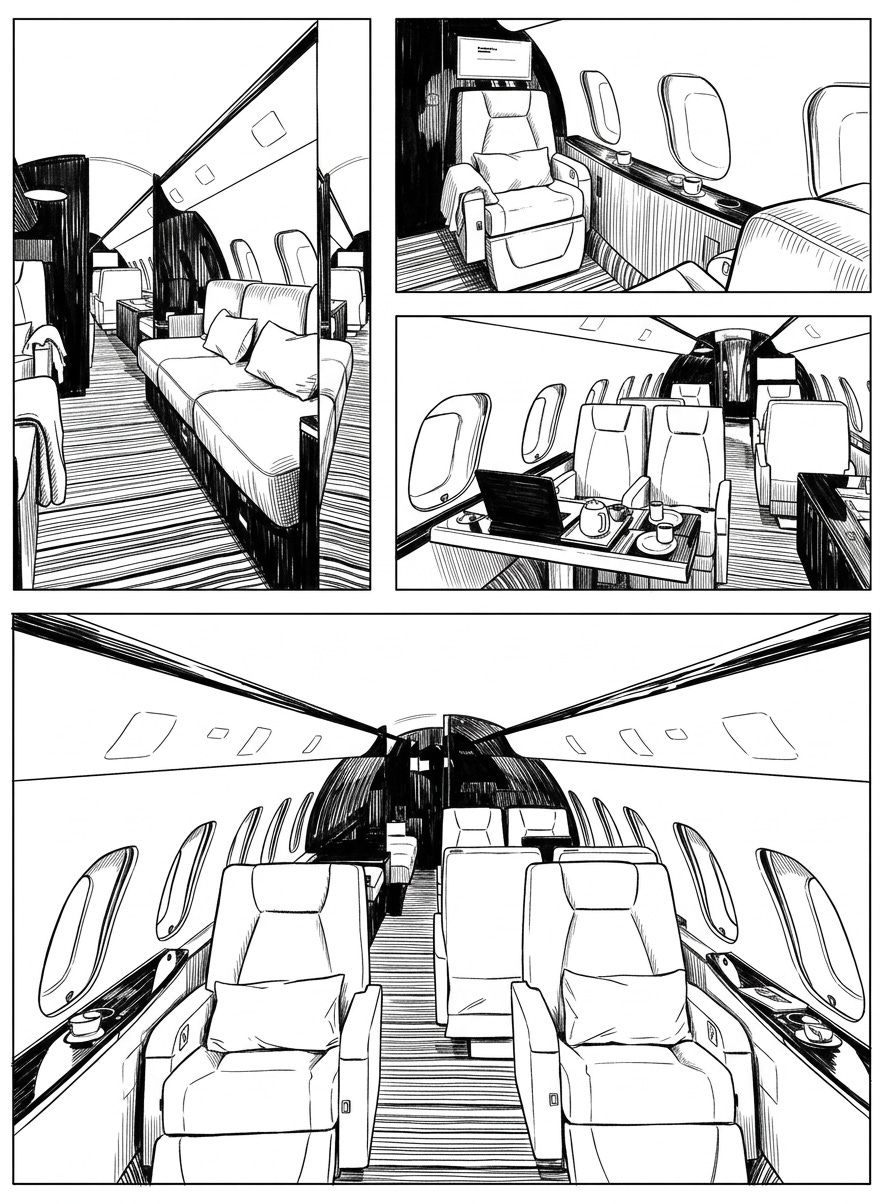
ON a chilly winter morning in Belgrade, hours before sunrise, Ahmed Jaafar stepped “inside a world of comfort and delight” of a private jet with plush white-leather seats, a sleeper sofa, mood lighting, and polished wood throughout the slick interior.
The features provided a nice touch for the four-hour international flight, especially considering that it would almost certainly be the last flight of Mr. Jaafar’s life—and of a second life if he had one to live.
The 48-year-old Bahraini political activist was flying handcuffed and shackled to serve two life sentences in one of the most controversial extraditions in Interpol’s history, with the UAE and Interpol playing key roles.
It all began in Bahrain in 2011 when protesters inspired by the Arab Spring revolutions in Tunisia and Egypt began to demand greater rights and more economic opportunities. The protests quickly acquired a class and sectarian tinge as they were dominated by Bahrain’s Shias who constitute a slight majority of the population and are generally poorer than their Sunni Muslim compatriots. Bahrain’s monarchy and much of its political and security establishment are dominated by the Sunnis.
Bahrain’s rulers viewed the swelling protests as an existential threat and launched a crackdown. They invited backup forces from Saudi Arabia and the UAE, where ruling elites were sufficiently spooked by the Bahraini unrest to oblige.
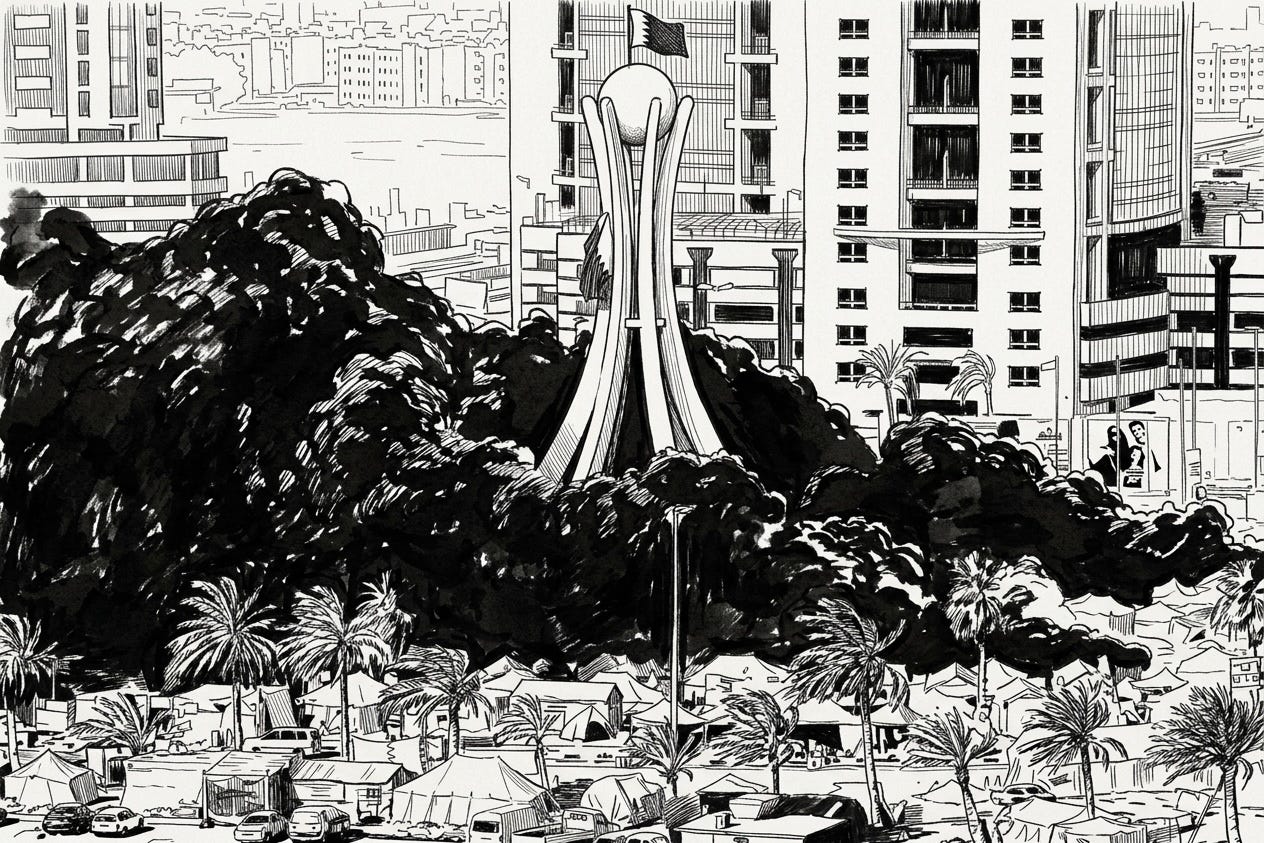
Mr. Jaafar is a Bahraini Shia labor activist who got swept up in the ensuing violence. Having been tortured in police custody earlier, Mr. Jaafar was severely wounded in 2011 when security forces cleared a protest encampment in downtown Manama, Bahrain’s capital, according to a report on his case by Bahrain Institute for Rights and Democracy, a London-based nonprofit.
Later that same year, Mr. Jaafar fled Bahrain and settled as a refugee in Iran, fearful of the widening repressions against Shia protesters back home. In 2013, he was tried in absentia in Bahrain, and sentenced to life in prison for possession of explosive devices and endangering public safety.
The following year, in 2014, a bomb went off in a village on the outskirts of Manama, killing three policemen including an Emirati officer on temporary deployment. Bahraini authorities arrested several men, accused them of the bombing, and tortured them with electric shocks to the genitals, sexual assault, suspension from the ceiling and beatings that in one case required a surgery, according to a report by the UN Human Rights Council. After that, three men confessed and were executed by a firing squad.
In 2015, Mr. Jaafar was tried in absentia again and accused of taking part in the bombing that occurred while he was already living as a refugee in Iran. He was again sentenced to life in prison. Mr. Jaafar, in numerous legal submissions, says he was persecuted as a political activist and falsely accused of crimes he did not and could not commit. Later that same year, the king of Bahrain punished some 70 activists, including Mr. Jaafar, by stripping them of their Bahraini citizenship as perceived enemies of the state.
After a decade in exile in Iran, Mr. Jaafar followed the well-trodden Middle Eastern refugee path to Europe, traveling through Iraq and Turkey and eventually ending up in Serbia. The Bahrainis had a warrant out for his arrest, and asked Interpol to issue a red notice, which would prod Serbia to act. Interpol did just that.
The rest of the story, chronicled in court filings, reads like a bureaucratic countdown to a catastrophe for Mr. Jaafar.
Nov. 3, 2021: he is arrested in Serbia
Nov. 12, 2021: Bahrain requests his extradition to serve a life sentence
Same day: Mr. Jaafar’s state-appointed lawyer appeals his detention and says he wants to apply for asylum in Serbia as a political and religious refugee.
Nov. 17, 2021: Serbia’s high court dismisses the appeal, and says his persecution claims are irrelevant since he hasn’t actually applied for asylum
Dec. 7, 2021: the high court says statutory requirements for his extradition have been met
Dec. 9, 2021: Mr. Jaafar writes a letter to the high court, saying he came to Serbia to seek asylum, that he was persecuted as a political activist in the field of workers’ rights, that he has has evidence to prove it, and would like to be able to share it with the judge.
Dec. 13—Dec. 29, 2021: Mr. Jaafar keeps writing letters to the high court, asking to see a private lawyer and to be allowed to call his family.
Dec. 29, 2021: a Serbian appeals court holds a hearing on his case. Mr. Jaafar’s state-appointed lawyer decides not to show up because there’s a nationwide lawyers’ strike. Mr. Jaafar tells the judge the lawyer never actually bothered to visit him in detention.
Jan. 17, 2022: Mr. Jaafar tells another appeal hearing that he has never seen his state-appointed attorney in the two and a half months since his arrest, and that he would like to hire his own lawyer so that he could present the court with documents in his defense. He says that none of his many letters to the court has been answered.
Jan. 17–18, 2002: the appeals court upholds the extradition decision and the Serbian justice minister approves it too.
Jan. 20, 2022: a Belgrade human rights group writes to Serbia’s border police and to the UN saying Mr. Jaafar wants to apply for asylum as a Shia refugee threatened with life imprisonment and abuse in Bahrain.
Jan. 21, 2022: the border police says it needs a written confirmation from Mr. Jaafar that the Belgrade group is acting on his behalf. The human-rights lawyers rush to prison and manage to get that authorization from Mr. Jaafar.
1.13 pm, Jan. 21, 2022: a police officer informs the high court that Mr. Jaafar’s extradition is planned for Jan. 25, which falls on a Tuesday. (That’s a key detail, as we will see later in the chronology).
3.21 pm, Jan. 21, 2022: Belgrade human-rights lawyers send an email to the border police, confirming they have Mr. Jaafar’s signed authority to apply for asylum on his behalf.
3.30 pm, Jan. 21, 2022: the border police asylum office closes for the day. It’s Friday. They won’t reopen till Monday. This is crucial: going into the weekend, Mr. Jaafar is left without the protected status of an asylum seeker.
7.57 pm, Jan. 21, 2022: the European Court of Human Rights issues an emergency ruling to delay Mr. Jaafar’s extradition until Feb. 25 because of the imminent risk of torture. The ruling gives Mr. Jaafar another month to defend himself and apply for asylum. The court’s rulings are binding for countries that have signed the European Convention on Human Rights. Serbia is a signatory, and its government is immediately informed of the European court’s decision.
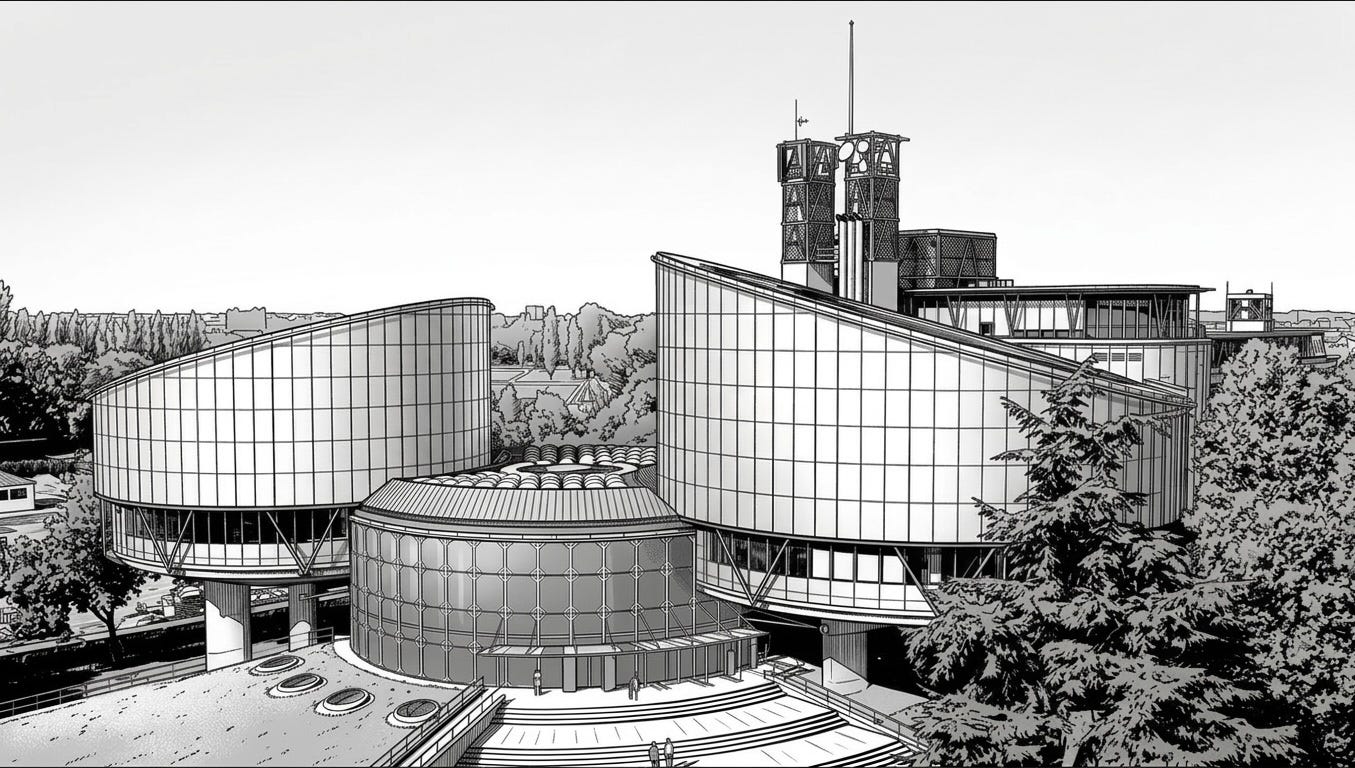
The European Court of Human Rights in Strasbourg, France 9.23 pm, Jan. 21, 2022: Belgrade human-rights lawyers inform the border police, and the ministries of interior and justice of the European court’s stay of extradition.
Jan. 22, 2022 (a Saturday): Bahraini security officials assigned to Interpol ask for Mr. Jaafar’s extradition to be moved up to the morning of Monday Jan. 24—before Serbian government institutions re-open for the week.
Jan. 23, 2022: a police officer tells a judge that Interpol has been informed Mr. Jaafar’s extradition has been stayed until Feb. 25. The officer asks the judge to “resolve the issue” The judge answers that only the justice ministry can do so.
4 am, Jan. 24 2022: On Monday before dawn, Mr. Jafaar is extradited to Bahrain to serve life in prison in direct violation of the European court’s emergency ruling.
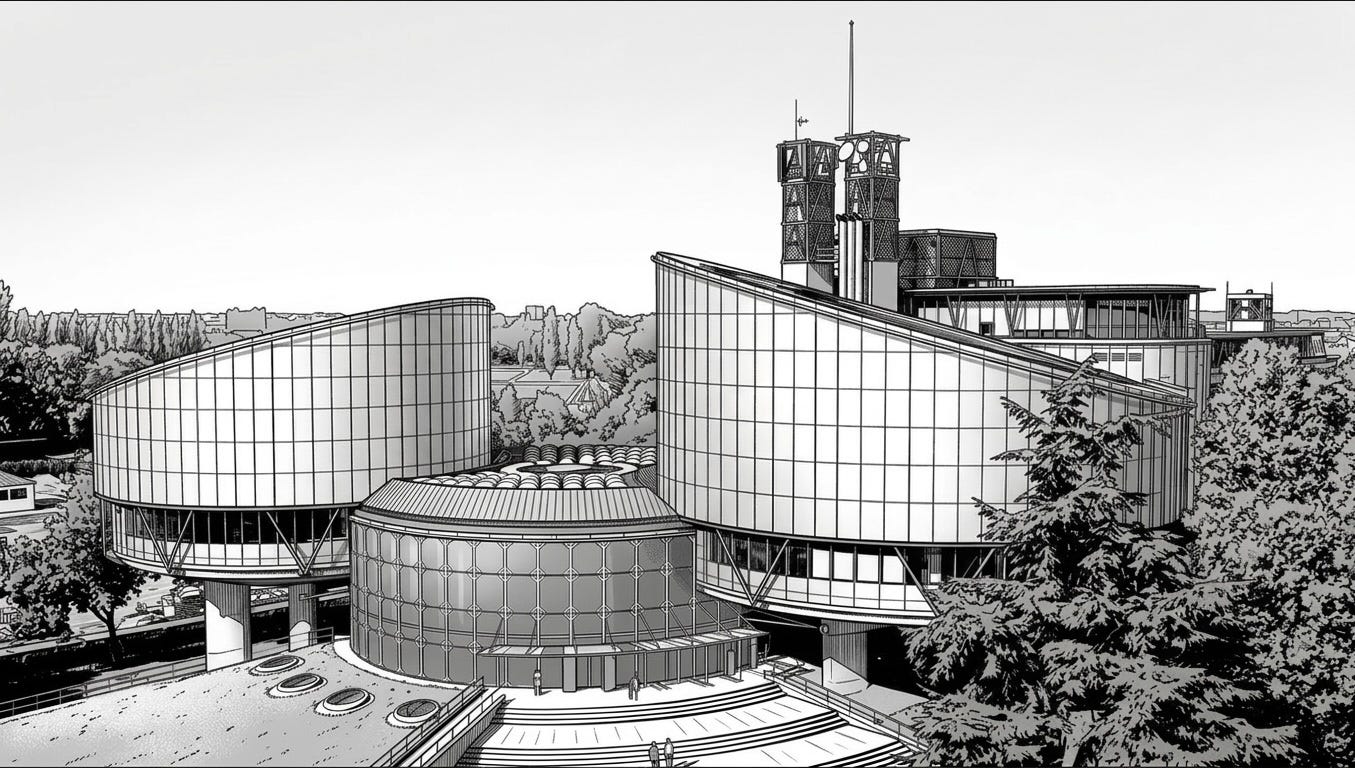
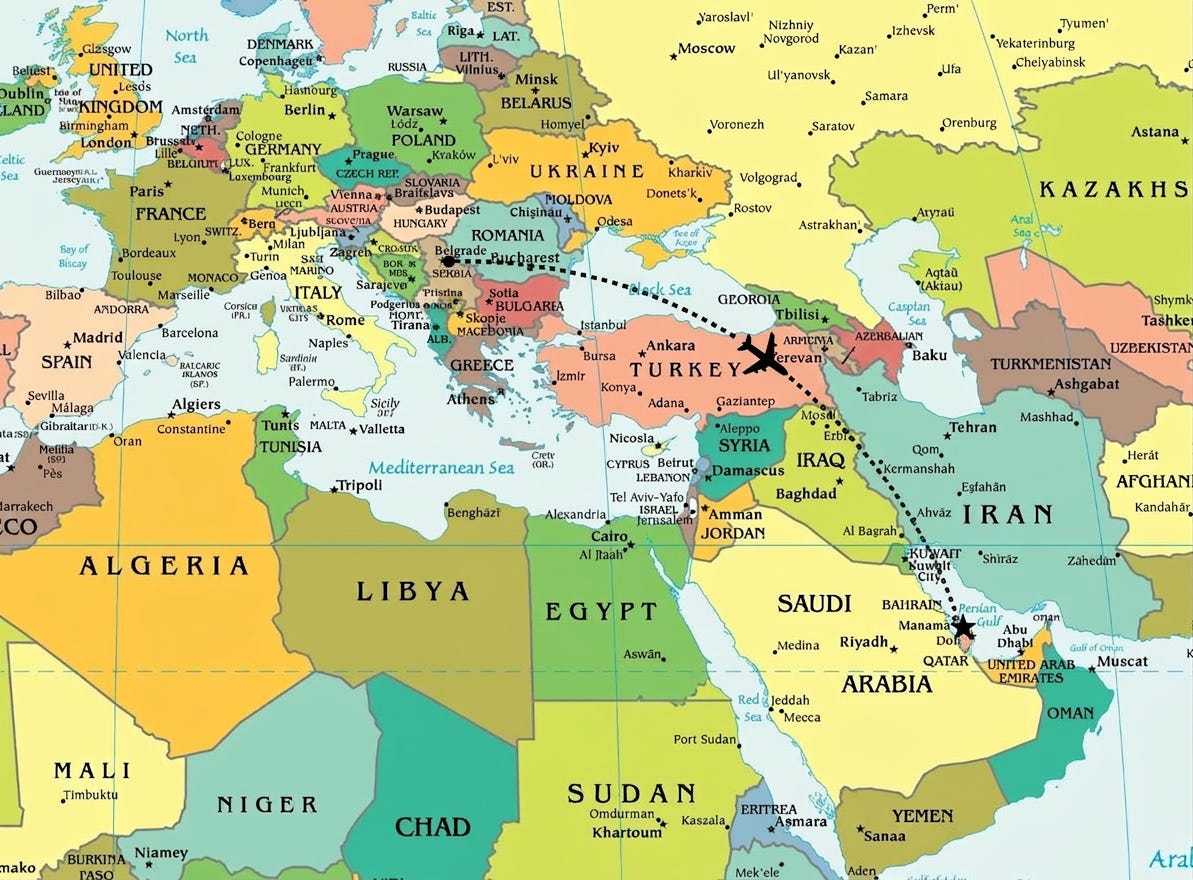
His mode of transportation was unusual: the UAE had sent a private luxury jet to grab Mr. Jaafar in the middle of the night in Belgrade. The aircraft used to deliver him to Bahraini prison belonged to RoyalJet, an elite private aviation provider in Abu Dhabi, long affiliated with Presidential Flight, the official carrier of top UAE government officials and Abu Dhabi royals.
Since Mr. Jaafar needed to be whisked away from Serbia quickly before he could get a chance to have his asylum and political persecution cases reviewed, the UAE appears to have decided to dispatch a luxury Boeing business jet, with high-speed broadband, satelite phone service and a state-of-the-art sound system—all for the sole purpose of flying Mr. Jaafar to jail. RoyalJet didn’t reply to my emails.
Mr. Jaafar noticed the unusually luxurious VIP amenities, but couldn’t take advantage of any of them. “I was shackled, I had one person on my right and one on my left, and a camera above my head. So I did not really feel all that,” Mr. Jaafar said in a phone call from Bahraini prison to Sayed Alwadaei, an activist who runs the Bahrain Institute on Rights and Democracy in London. (With Mr. Jaafar’s permission, Mr. Alwadaei shared the recording with me.)
Mr. Jaafar is aware that his extradition was being delayed by the European Court of Human Rights, and he thinks the Emiratis couldn’t countenance the idea that he might walk free. “That drove them crazy, and they brought the plane—even if it were the president’s or the prince’s plane, they would have brought it. It was a contingency plan,” Mr. Jaafar said in the phone call from prison.
In a decade-old cell-phone video, Mohammed bin Zayed, then the crown prince of Abu Dhabi and now its ruler and the UAE president, promises to avenge the Emirati police officer who was killed in Bahrain in 2014—three years after Mr. Jaafar left the country. “We have patience, yes — but we do not forget,” the crown prince says in the video.
The UAE has significant influence in Serbia, having invested billions in Belgrade’s waterfront real estate through Abu Dhabi-based developer Eagle Hills. (We first encountered the company in Episode 1, in Georgia, where the UAE is also an important geopolitical player)
Besides real estate in Serbia, the UAE purchased (though subsequently sold) a 49% stake in the national airline, which would give the Emiratis a unique view onto the country’s civilian aviation sector.
Abu Dhabi National Oil Company, chaired by the UAE president, is now considering buying out the Russian majority stake in Serbia’s main petroleum firm. The Russian ownership landed the Serbian firm under U.S. sanctions, so Sheikh Mohammed bin Zayed could give the Serbs a significant economic boost with a stroke of a pen. An analysis of the bilateral relationship by the Arab Gulf States Institute notes that the two countries’ presidents have “a strong personal rapport bolstered by multiple visits in recent years.”
It is not publicly known whether this rapport prompted Serbian authorities to disregard the European court’s ruling and deliver a handcuffed Mr. Jaafar to the Emirati private jet.
Serbia claimed that it ignored the ruling because it was issued late on a Friday, outside of normal working hours, and that the emailed notification wasn’t enough for Serbian authorities to stop the extradition that took place at 4 am the following Monday—again outside of working hours. The European Court treated this reasoning with deep skepticism, noting that the extradition had been originally planned for that Tuesday. Serbia suddenly moved it up to the pre-dawn hours of Monday “for unknown reasons”—and only after the European court issued its injunction. I wrote to the Serbian Foreign Ministry to ask if there were any other reasons to rush the extradition. If they respond, I’ll include their comment here.
On Jan. 25, 2022, the day after Mr. Jaafar’s extradition, the king of Bahrain visited Abu Dhabi for a state visit to discuss cooperation with the UAE royals. Bahrain and UAE foreign ministries both ignored my emails about Mr. Jaafar’s case.
In 2023, Mr. Jaafar filed a lawsuit in Lyon, France accusing Interpol of violating its own rules by failing to vet Bahrain’s red-notice request for political bias and risk of torture before transmitting it to Serbia. According to its own rulebook, Interpol must adhere to the “spirit of the the Universal Declaration of Human Rights,” which prohibits torture. Before approving a red notice, the agency must also check whether the alleged criminal is a “political activist” and whether his arrest is sought in the context of “political unrest”.
It would not have been difficult to find evidence of prior torture against Mr. Jaafar. A 2010 Human Rights Watch report details how Bahraini police suspended him from the ceiling by placing the chain connecting his handcuffed wrists over a pipe. They let him hang like that for about 15 minutes, while they kicked him and beat him with a rubber hose, demanding to know the whereabouts of a gun which Mr. Jaafar says he never had. “I was moving frantically because of the pain in my wrists and shoulder,” he later told Human Rights Watch for its extensive “Torture Redux” report documenting abuse of detainees in Bahrain. “I bloodied my toes, kicking them against the wall without shoes on. They still hurt now.”
Mr. Alwadei of Bahrain Institute on Rights and Democracy notes that a “simple Google search” would have surfaced this report, which is true. And yet, if Interpol officials ever read it, it wasn’t enough to preclude the issuance of the red notice that sent Mr. Jaafar back to his Bahraini interrogators. His complaint against Interpol for failing to perform due diligence is still pending.
An Interpol spokesman declined to comment on any individual cases, but said the agency has “significantly strengthened” its due-diligence processes over the past several years. A person familiar with Interpol says it is highly unlikely that the organization would issue a red notice for Mr. Jaafar were Bahrain to request one today, based on the same information.
It is not lost on Mr. Alwadei that the Interpol- and the UAE-aided extradition of Mr. Jaafar occurred two months after Emirati Major Gen. Ahmed al-Raisi became the organization’s president. Although there’s no evidence to suggest that the general was involved in the process or aware of it, the very fact of his appointment to the top tier of the global police-cooperation agency was enough to rattle dissidents and human-rights activists around the world. “It was a terrifying message for all of us,” Mr. Alwadei says.
Like Mr. Jaafar, the London-based activist had also participated in Arab Spring protests in Manama—he has a scar on his face where a police boot landed. He too subsequently fled Bahrain, and made the list of 70 activists rendered stateless when the king of Bahrain stripped them of their citizenship. But their fortunes diverged as Mr. Alwadaei was able to obtain political asylum in Britain while Mr. Jaafar was spirited away from Serbia before he could even apply.
Mr. Jaafar has two daughters in Bahrain. Since his extradition and imprisonment four years ago, he’s been able to see them just once.
In March of 2025, the European Court of Human Rights ruled that Serbia was wrong to extradite Mr. Jaafar without properly assessing the risk of torture and abuse he’s likely to face. The court awarded him damages of 9,800 euros, money that is of no use in solitary confinement in Bahrain’s notorious Jau prison.
NEXT IN THIS SERIES: In Episode 6, we will examine the arrest at gunpoint and rendition of a wealthy Uzbek industrialist who holds a UAE golden visa. He may have gotten entangled in a family power struggle around the President of Uzbekistan, and his forced return from Dubai was requested at the highest levels of the Uzbekistan government. I have just come across exclusive new information about the case, and this series will take a one-day break so that I can do it justice. The series will return on Sunday, March 22, with Episode 6, and end on Monday with Episode 7. I hope you all have a good weekend. And thank you for reading