Episode 6
ULUGBEK

Previously in this series:
Episode 2: Christian and Latifa
PUFF Daddy’s lead lawyer found himself prostrate face down on the floor of a Dubai villa, examining the marble patterns from up close.
A former assistant U.S. Attorney, Marc Agnifilo wasn’t there for his most famous client—the American rapper accused of sex trafficking—but for a wealthy businessman from Uzbekistan.
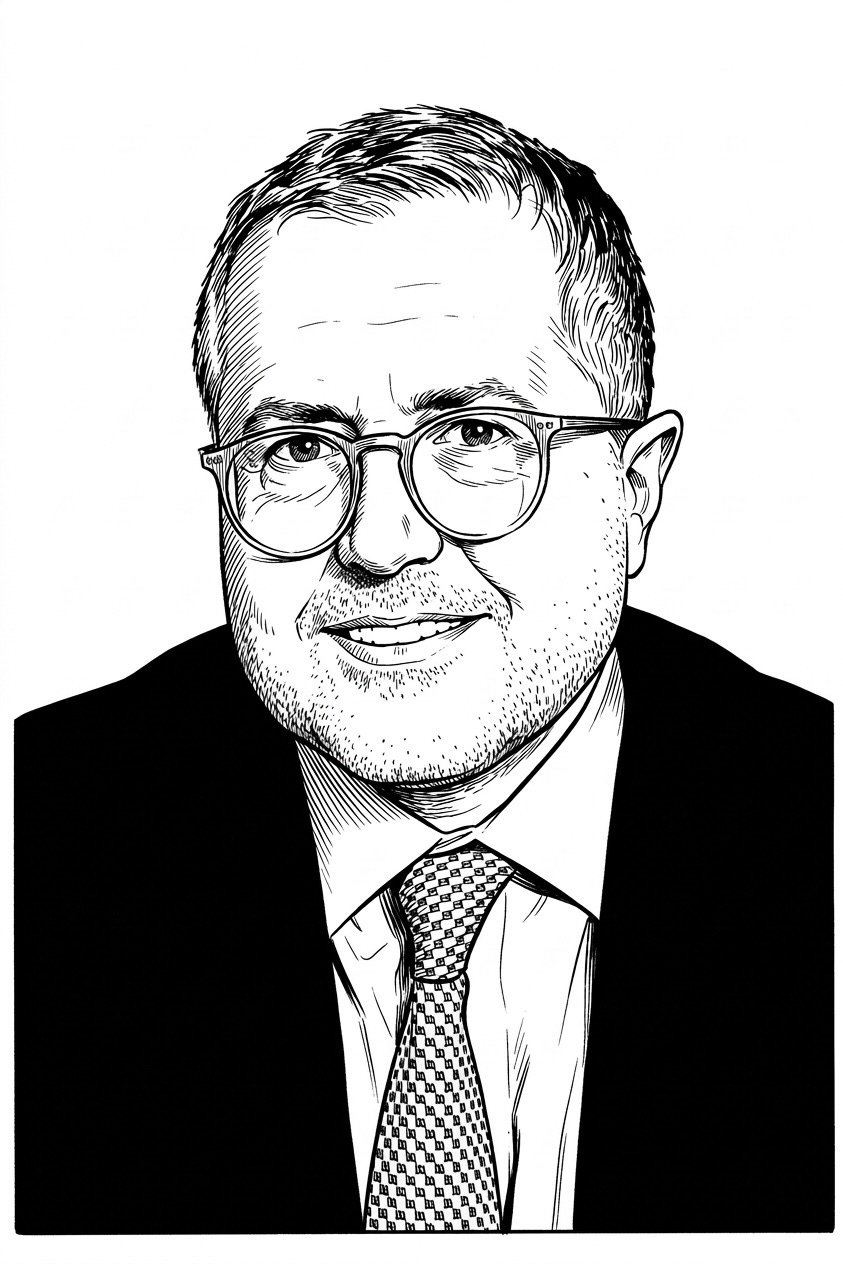
The owner of the biggest cement company in Central Asia, the businessman, Ulugbek Shadmanov, became entangled in a murky power struggle in Uzbekistan reaching all the way up to the president and his family. There had been an assassination attempt on an influential government advisor outside of Tashkent, the capital.
Now Mr. Shadmanov needed a good lawyer to defend himself from whatever accusations the Uzbek authorities might throw at him. He was worried they might actually charge him in connection with the attempted murder. He thought it would be better to plot his legal strategy from Dubai where, as a holder of the so-called golden visa for wealthy foreign investors, Mr. Shadmanov was spending a lot of time anyway.
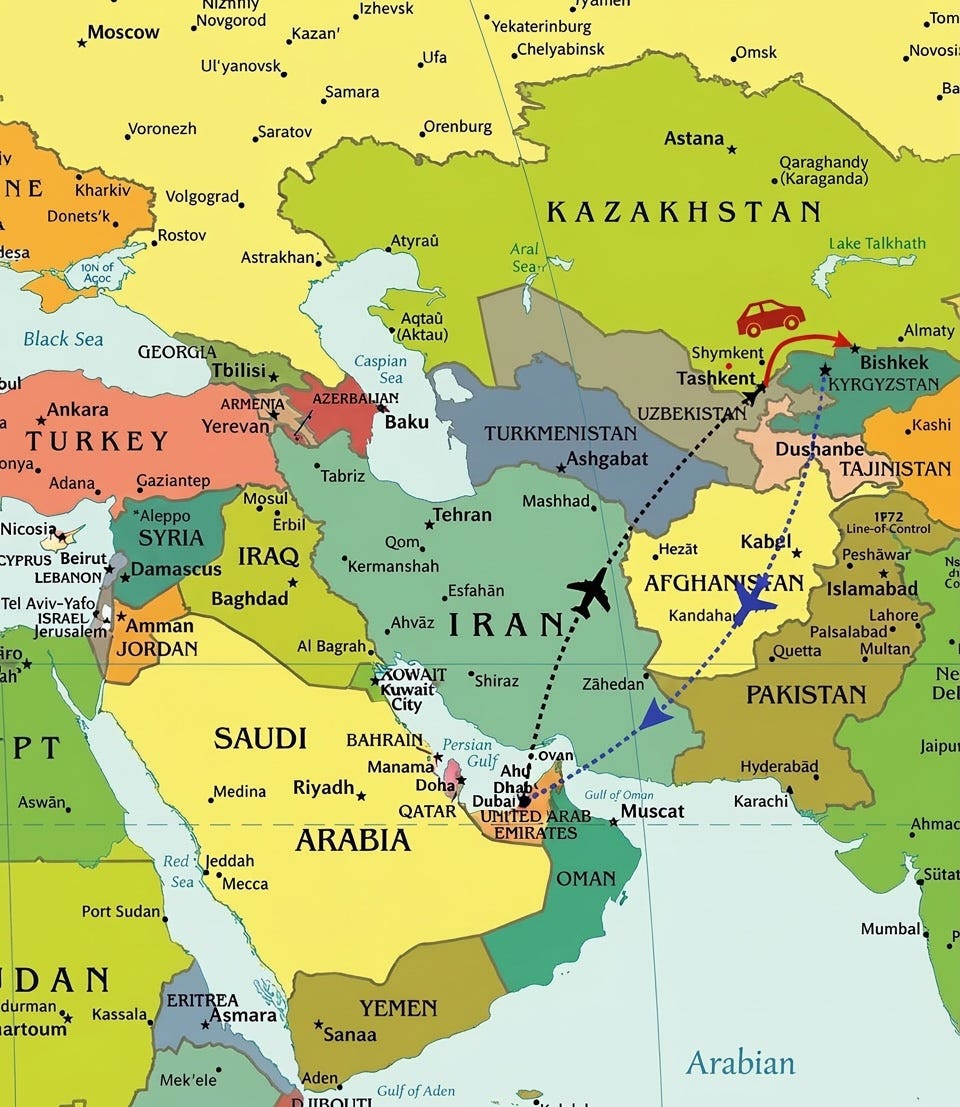
Concerned that an attempt to fly out of Tashkent directly might be thwarted by the Uzbek security services already watching him, Mr. Shadmanov took a car to neighboring Kyrgyzstan and caught a flight to Dubai from there. He could finally exhale in the comforts of his villa, because he thought the UAE golden visa gave him enough protection from foreign pursuers. He plainly underestimated what was to come.
The Shadmanov case is one of the clearest examples yet of how a shady foreign entanglement gets exported to the UAE, along with its chief protagonist. An effort to exfiltrate the Uzbek cement merchant back to Tashkent would resemble a proverbial clown car packed with operatives, proxies and pilots from at least five countries. The operation pulls back the veil on how the Emiratis conduct off-the-books renditions of foreigners.
But before we get to the exfiltration effort, let’s briefly revisit the tumultuous recent history of Uzbekistan, Central Asia’s most populous state and one of its fastest growing economies. For years, the country was run by a cartoonishly authoritarian president, who was as brutal toward dissent as he was corrupt in his stewardship of the economy. The 2005 massacre of civilians in the town of Andijan (which I covered for the Wall Street Journal) remains one of the bloodiest crackdowns against protesters anywhere, although it is a competitive field. On the economic front, the strongman allowed his two daughters and their proxies to carve up the country’s most lucrative businesses and assets. When he finally died of a stroke in 2016, there were few mourners.
The new president, Shavkat Mirziyoyev, rolled back many of his predecessor’s excesses, liberalized the economy, improved relations with neighbors and the West, released political prisoners, and dismantled the apparatus of a police state.
But: Mr. Mirziyoyev also has two daughters. And this may be pertinent to what happens next with our peripatetic cement merchant.
As years went by, the new Uzbek president became increasingly reliant on the inner circle of his family, with his two daughters assuming prominent roles. The older, Saida, eventually became the head of the presidential administration. The younger, Shakhnoza, saw her husband rise to the influential position of the chief of the presidential security service. Many observers believed that Shakhnoza’s husband began to develop his own political ambitions, which put him on a collision course with Saida and her team. (For an astute analysis of elite politics in Uzbekistan, I’m indebted to Galyia Ibragimova of Carnegie Endowment. Any errors of interpretation are my own.)
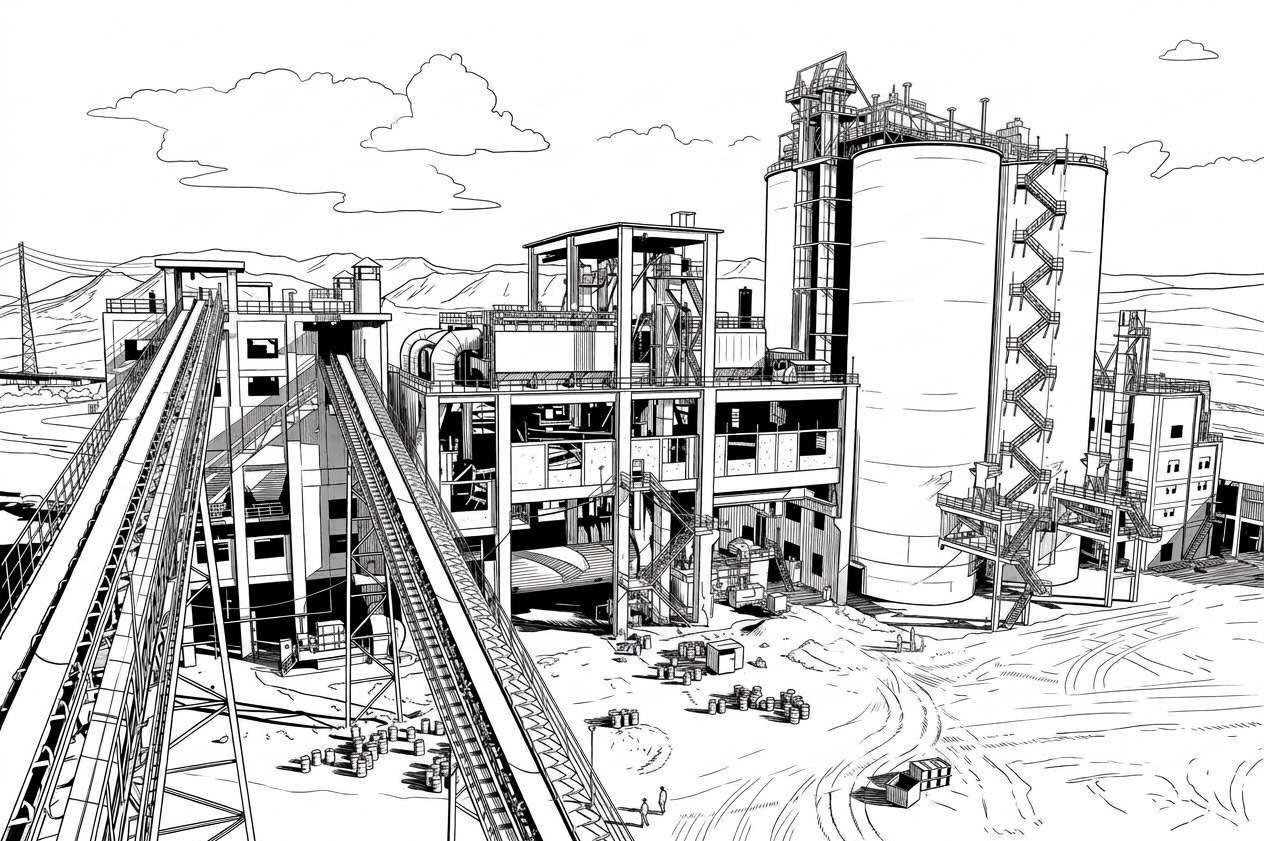
Mr. Shadmanov, the cement merchant, is believed to have wide-ranging business and personal ties to Shakhnoza’s husband, the powerful security chief. The crown jewel of Mr. Shadmanov’s business empire is United Cement Group, Central Asia’s largest cement manufacturer, worth hundreds of millions of dollars, though the exact valuation is unclear because it is privately held. The group owns six plants and employs more than 7,000 people.
Mr. Shadmanov’s current predicament began when a senior Uzbek advisor close to Saida, the president’s ambitious older daughter, was being driven in a Range Rover SUV near his home outside of Tashkent in 2024. The car came under gunfire, though no one was killed or wounded. One theory behind the shooting was that it was an escalation of a conflict between Saida and her younger sister’s husband—the security chief—over power and influence within the president’s inner circle. Shortly before the Range Rover attack, the advisor and Saida had presented a report directly to the president outlining their concerns about inter-elite competition for power. And then someone shot up the Range Rover, possibly in a concrete demonstration of that rivalry.
As one of the security chief’s closest associates, Mr. Shadmanov had reasons to fear that he would be dragged into the failed-murder inquiry, even though he says he had nothing to do with the shooting attack on the Range Rover. Any trouble with the law could give his enemies a pretext to go after his cement empire. (The security chief has also denied any involvement in the shooting and hasn’t been charged with a crime.)
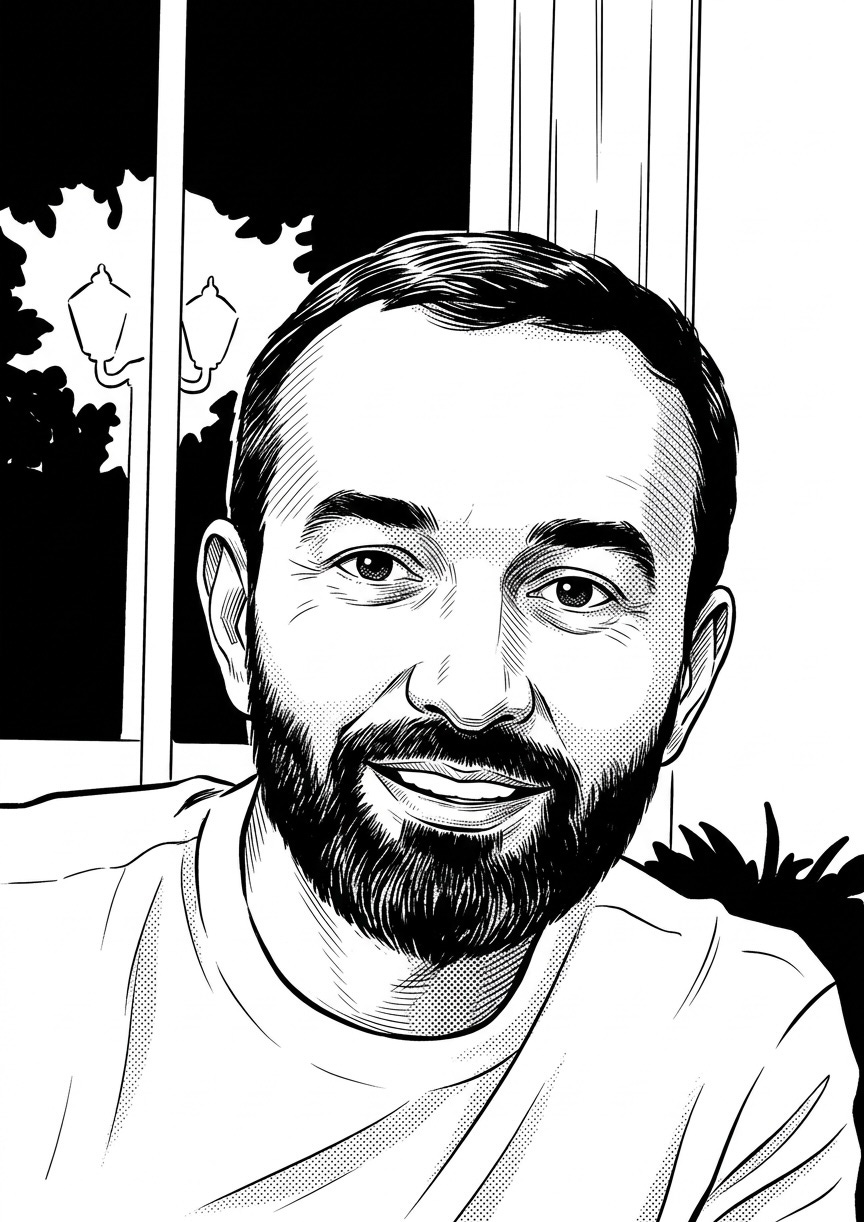
Once safely in Dubai, Mr. Shadmanov reached out to Mr. Agnifilo, the New York attorney. “He said he needed an American lawyer with some gravitas and credibility to do an American-style investigation and interface with the right people,” Mr. Agnifilo says.
With the high-profile trial of Sean Combs yet to start in New York, Mr. Agnifilo had time to look into the Uzbek situation. He flew to Dubai in early January of 2025, landed in the evening and was met by Mr. Shadmanov’s driver who took him straight to the villa. A chicken dinner, tea and sweet snacks were served. Mr. Shadmanov appeared tense throughout the evening as if he knew time was of the essence, according to someone who was in the room. The attendees heard commotion outside, but it wasn’t loud enough to warrant concern. It was now time to turn to the substance of the unusual case.
And then a SWAT team burst in. The guests didn’t have time to finish dinner.
About 30 operatives dressed in full tactical gear and armed with laser-sighted weapons fanned out around the room and put everyone on the floor, face down. Mr. Agnifilo recalls seeing red targeting dots all over the place, including one on himself. Another person present also remembers that “there were tactical weapons pointed at everyone’s head.” There was some shouting in Arabic, but things quickly settled down as no one was resisting. “Once I realized they were police, I wasn’t worried,” Mr. Agnifilo says. The Emirati officers copied his passport. Before taking Mr. Shadmanov away, they offered some parting thoughts to the foreign visitors: “Don’t ask any questions, take the next plane out of here, this is our best advice,” the other person present recalls.
Mr. Agnifilo didn’t leave right away. He tried to look for his client in Emirati custody. He hired a local lawyer to make inquiries. But the inquiries yielded nothing. It’s as if the cement merchant simply vanished. His name was not in any official registries. He eventually resurfaced in federal detention in Abu Dhabi. But there was no court that would hear his case, and Mr. Agnifilo couldn’t see him. “There was nothing a lawyer could do,” he recalls. He went back to New York.
A few days later, on Jan. 8 of 2025, Mr. Shadmanov was escorted to a Gulfstream G600 private jet and flown to Tashkent. There was no Interpol red notice issued for him. “There was no legal process to his arrest, or to his being brought back to Uzbekistan,” Mr. Agnifilo says. It appears that his return from Dubai had been requested at the highest level of the Uzbekistan government, bypassing any formal extradition procedures.
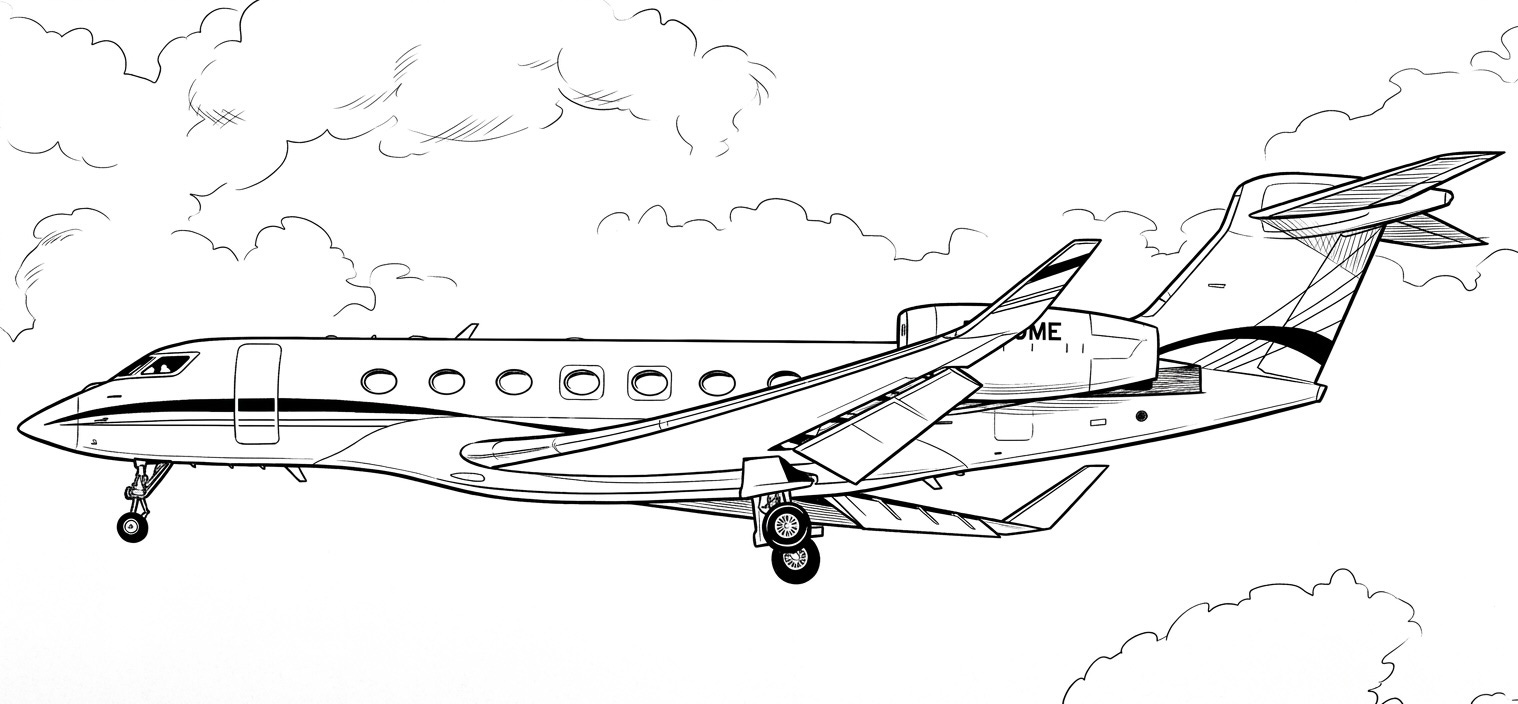
The most remarkable thing about that flight is the long and convoluted chain of execution that eventually landed Mr. Shadmanov in an Uzbek military prison. The Emiratis conducted the raid of the villa and the initial capture of the cement merchant. The Gulfstream used in his rendition belongs to a small UAE aviation provider with ties to a senior Libyan general, according to people familiar with the situation. The general is a longstanding ally of the UAE in the Libyan conflict, in which the Emiratis’ principal objective has been to combat and weaken Islamist factions. The Gulfstream’s flight history lists frequent flights to and from Benghazi. It appears to have flown to Tashkent only once in recent years—to deliver Mr. Shadmanov to prison. The aircraft left the same day and never returned.
But that’s not the end of the story. The rendition flight was chartered by a Dubai-registered events business run by a Russian executive whose clients include major Russian defense contractors, according to people familiar with the situation and to the company’s website. On the flight back to Uzbekistan, Mr. Shadmanov was accompanied by two Uzbek security operatives. The pilot was Lebanese.
What does this international brotherhood of operatives tell us about this mission? My best guess is that Emirati handlers maintain a network of proxies and cut-outs that can be used to conduct off-the-books operations that leave no national fingerprints. The UAE foreign ministry ignored a request for comment. The press office of the Uzbek president did the same.
Upon landing in Tashkent, Mr. Shadmanov spent several months in a military prison. He was encouraged to relinquish rights to his cement empire in exchange for his freedom, according to a person familiar with the situation. He resisted. He was eventually released and got to keep most of his assets. He was charged only with an illegal border crossing, in connection with his Kyrgyzstan adventure. But he was never charged with attempted murder.
Mr. Shadmanov’s representatives received a high-level message from Uzbekistan not to make too much international noise about the case, lest things become more difficult for the cement merchant. The president wanted a peaceful resolution that wouldn’t tarnish his reputation.
There are signs that the palace intrigue in Tashkent has been resolved, at least for now. Saida Mirziyoyeva, the president’s older daughter, is firmly ascendant, while her younger sister’s husband, the security chief, has been fired and given a new role. He’s now in charge of Uzbekistan’s participation in international sports events. Mr. Shadmanov is free in Uzbekistan. He couldn’t be reached for comment.
A week after the cement merchant’s rendition to Tashkent, Uzbekistan’s president came to Abu Dhabi on a state visit to meet with the UAE leader and discuss growing cooperation between the two countries. The UAE is a major foreign investor in Uzbekistan. It was the Uzbek president’s first official visit to the UAE in six years.
NEXT IN THIS SERIES: In Episode 7, the final installment in the series, we will take a look at a curiously conducted Dubai kidnapping of the Rwandan dissident of the “Hotel Rwanda” movie fame. There are questions about what, if anything, Emirati security services may have known about the operation. You can read tomorrow and decide for yourselves. It’s available here. As always, thank you for reading